Why Fabric Matters When Choosing an Abaya?
Learn why fabric choice defines comfort, breathability, elegance, and durability when buying an abaya in Pakistan. Compare Korean Nida, chiffon, georgette, crepe, and linen blends for every season and lifestyle.
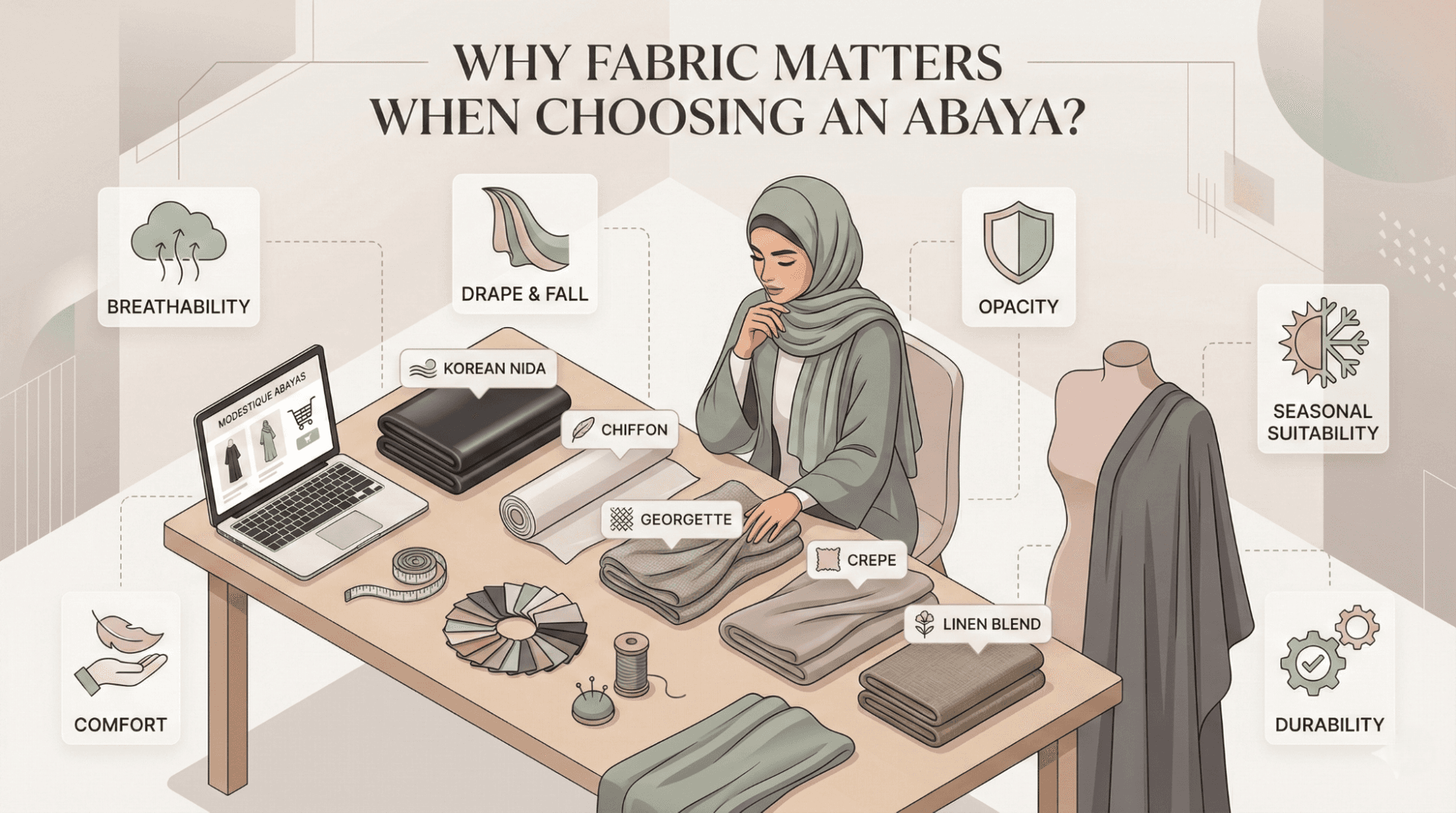
The modest fashion landscape is evolving rapidly, and the growing modest fashion trend in Pakistan has introduced women to a beautiful variety of cuts, colors, and silhouettes. As the demand for modern abayas in Pakistan increases, more women are turning to digital storefronts to find their perfect fit.
However, many shoppers experience a common frustration: the abaya that looked stunning on the screen arrives feeling stiff, transparent, or uncomfortably warm. When women regretbuying an abaya online, the core issue is rarely the design—it is almost always the fabric.
While beautiful embroidery and modern cuts catch the eye, the material you choose serves as the foundation of your garment. Fabric determines your comfort, the elegance of the drape, the durability of the piece, and the overall look. Understanding what an abaya is and its different styles begins with understanding the cloth it is tailored from.
What Does Abaya Fabric Actually Affect?
Before exploring specific abaya fabric types, it helps to understand exactly how the material impacts your daily wear. Fabric is not just about texture; it controls several practical aspects of your garment:
- Comfort Level: Softness against the skin prevents irritation during long hours of wear.
- Breathability: The weave determines whether air can circulate, keeping you cool or trapping body heat.
- Fall & Drape: Fluid fabrics create an elegant, flowing silhouette, while stiff fabrics hold structured designs like pleats or puffy sleeves.
- Opacity: A high-quality fabric ensures modesty by remaining completely non-transparent, eliminating the need for bulky inner layers.
- Weather Suitability: Different weaves adapt differently to humidity, dry heat, or winter chills.
- Longevity: Premium threads resist pilling, fading, and tearing, ensuring your abaya lasts for years.
- Ease of Maintenance: Some materials require delicate dry cleaning, while others are wash-and-wear.
Most Popular Abaya Fabrics in Pakistan
To make an informed choice, it is essential to familiarize yourself with the materials available in the local market. Here is a detailed comparison of the most popular fabrics used by modest fashion brands.
1. Korean Nida
Considered the gold standard for high-end modest wear, Korean nida abaya fabric is a premium, 100% polyester blend.
- Pros: It features a remarkably smooth texture and a luxury fall. It is highly breathable yet structured enough to hold elegant tailoring.
- Cons: Genuine Korean Nida is slightly more expensive than standard alternatives.
- Best for: Both daily use and formal wear.
2. Nidha (Standard)
A common and reliable choice for everyday modest fashion.
- Pros: Slightly heavier than Korean Nida, it offers excellent durability, complete opacity, and a very elegant look that does not cling to the body.
- Cons: It can feel slightly warm during the peak of humid summers.
- Best for: Year-round daily wear.
3. Chiffon
A beautifully delicate and sheer fabric that drapes flawlessly.
- Pros: Extremely lightweight and fluid. A chiffon abaya in Pakistan is highly sought after for elegant, layered looks.
- Cons: It is inherently transparent and absolutely requires a matching inner lining or a slip dress.
- Best for: Formal occasions, evening wear, and layered styles.
4. Georgette
Georgette shares similarities with chiffon but features a distinct, slightly crinkled texture.
- Pros: A georgette abaya provides a beautiful textured finish. It is slightly sheer but stronger and less slippery than chiffon, making it ideal for holding modern cuts and ruffles.
- Cons: Requires careful washing to maintain the crinkle texture.
- Best for: Modern silhouettes and semi-formal wear.
5. Crepe
A tightly woven fabric with a slight pebbled or matte texture.
- Pros: Crepe has an excellent drape, provides full opacity, and is highly wrinkle-resistant.
- Cons: Certain heavy crepes can feel restrictive in extreme heat.
- Best for: Professional environments and practical daily options.
6. Linen Blends
Woven from flax plant fibers, often blended with cotton or synthetic threads to reduce wrinkling.
- Pros: The ultimate breathable abaya fabric. It absorbs moisture well, making it a staple for hot climates.
- Cons: Prone to wrinkling and requires regular ironing.
- Best for: Casual summer wear and daytime outings.
Fabric Comparison Table
Use this quick reference guide to compare your options and make a practical decision based on your needs.
Fabric | Best For | Season | Breathability | Formal/Casual | Maintenance Level |
Korean Nida | Luxury Drape | All Seasons | High | Both | Low |
Standard Nidha | Durability | All Seasons | Medium | Casual | Low |
Chiffon | Layering | All Seasons | High | Formal | High (Needs Inner) |
Georgette | Textured Styles | All Seasons | Medium | Both | Medium |
Crepe | Wrinkle Resistance | Winter/Spring | Medium | Professional | Low |
Linen Blends | Heat Relief | Summer | Very High | Casual | High (Needs Ironing) |
Latest Modern Abaya Trends & Their Fabric Pairings
The beauty of a modern abaya lies in how well the design matches the material. If you apply a flowing design to a stiff fabric, the garment will look bulky.
- Open Front Abayas: Because these require movement and a beautiful sweep as you walk, they look best tailored in Korean Nida or georgette.
- Embroidered Abayas: Heavy thread work requires structured fabrics. Standard Nidha or heavy crepe prevents the embroidery from sagging.
- Minimalist Plain Abayas: Clean, simple lines shine brightest on matte textures like premium crepe or matte Nida.
- Kimono Abayas: Wide sleeves demand flowing fabrics. Chiffon (over an inner) or lightweight Nida ensures the sleeves drape elegantly rather than sticking out.
- Layered Abayas: Multiple tiers of fabric can become heavy. Lightweight chiffon is the standard choice here to keep the garment manageable and airy.
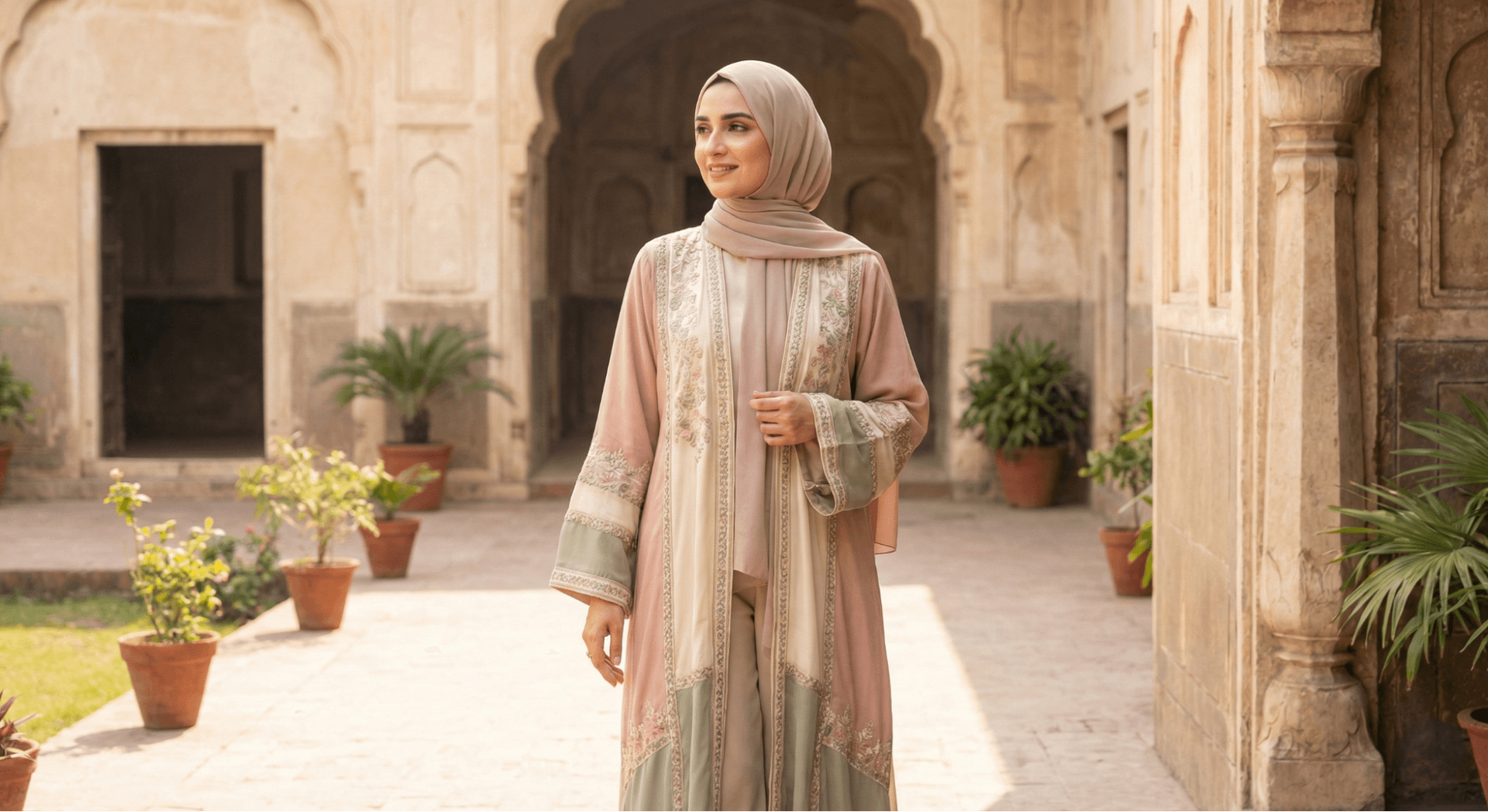
Why Fabric Matters Even More When Buying Abaya Online in Pakistan
When you buy an abaya online in Pakistan, you lose the ability to touch the material before purchasing. Studio lighting, photo editing, and camera angles can easily make a low-quality polyester look like premium silk.
To shop confidently online, you must become comfortable reading fabric descriptions. Look for details regarding the fabric's GSM (Grams per Square Meter)—a higher GSM usually indicates a thicker, more opaque fabric, while a lower GSM indicates a lighter, breezier feel.
Always look for zoomed-in texture images that show the weave of the cloth. Some stores like Haya Threads focus on clearly mentioning fabric details alongside their modern abaya collections, helping customers make informed decisions without second-guessing the quality.
Seasonal Fabric Guide for Pakistani Climate
The varied climate across Pakistan means that a single abaya rarely works for the entire year. Choosing the right material for the season is vital for your comfort.
Summer Wear
When temperatures rise, your priority should be sweat-friendly materials that allow air circulation. Choosing the best fabric for summer abayas in Pakistan ensures comfort during extreme heat. Excellent options include:
- Linen Blends: Highly absorbent and cooling.
- Lightweight Nida: Retains a formal look without trapping heat.
- Cotton Crepe: Offers modesty and breathability for daily daytime wear.
Winter Wear
During the cooler months, you need materials that provide a shield against the wind while maintaining an elegant drape.
- Thicker Nidha: A higher GSM Nidha blocks cold air effectively.
- Wool Blends: Perfect for structured, coat-style abayas.
- Heavy Crepe: Excellent for layering over warm winter clothing without adding bulky volume.
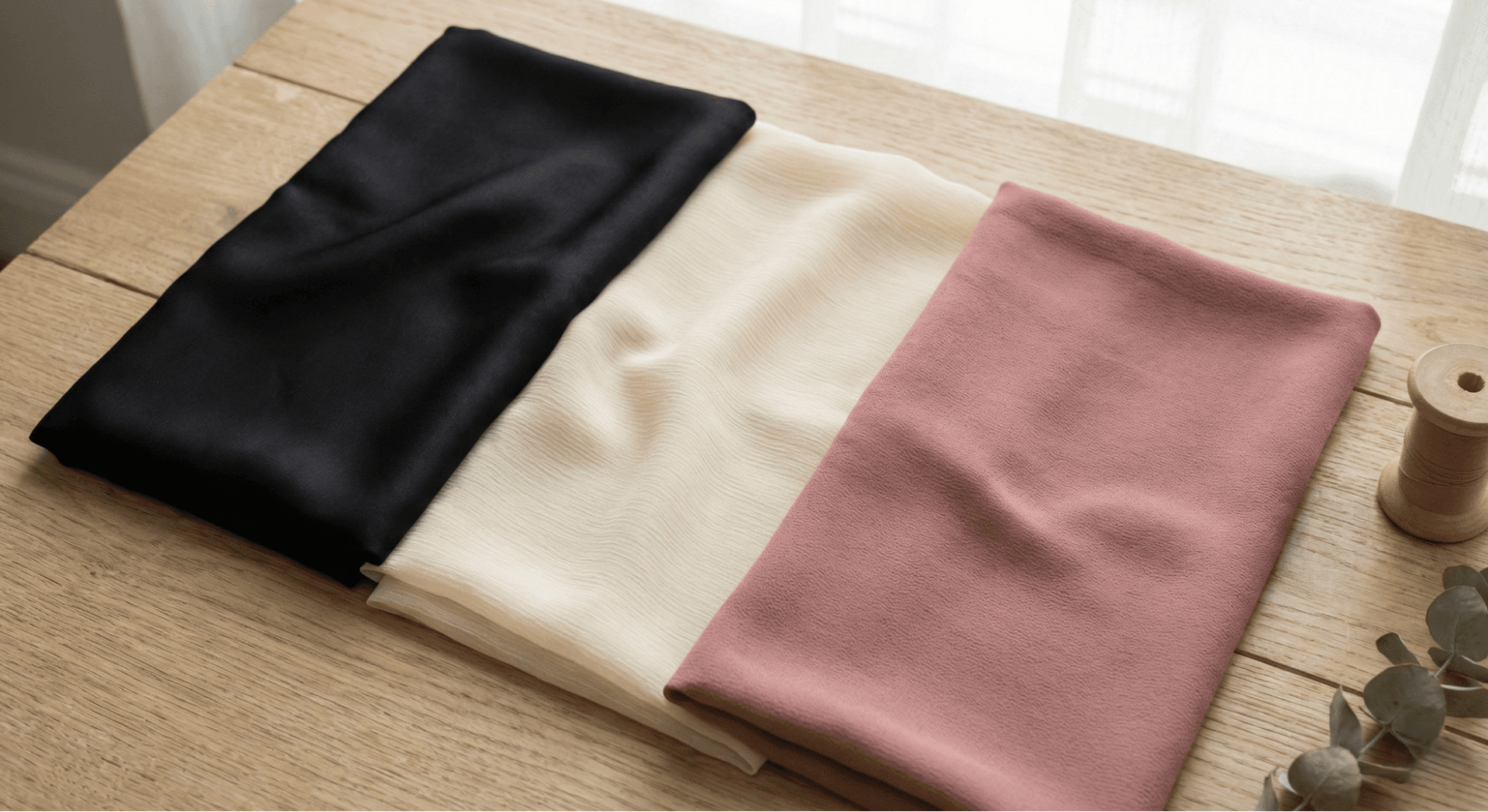
How to Choose Fabric Based on Your Lifestyle
Your daily routine dictates which fabric will serve you best.
- University Students: Long days on campus require lightweight, practical, and breathable abaya fabric. Linen blends or standard wash-and-wear Nidha are highly recommended to survive a busy schedule.
- Working Professionals: Corporate environments call for crisp, neat appearances. Crepe is the ideal choice as it is highly wrinkle-resistant, ensuring you look polished from 9 to 5.
- Brides and Formal Events: For weddings and luxury events, structured luxury fabrics like Korean Nida, layered chiffon, or premium georgette provide the necessary grandeur and photograph beautifully.
- Housewives & Daily Wear: Running errands requires low-maintenance fabrics. Standard Nidha is perfect because it washes easily, rarely needs aggressive ironing, and handles daily wear and tear beautifully.
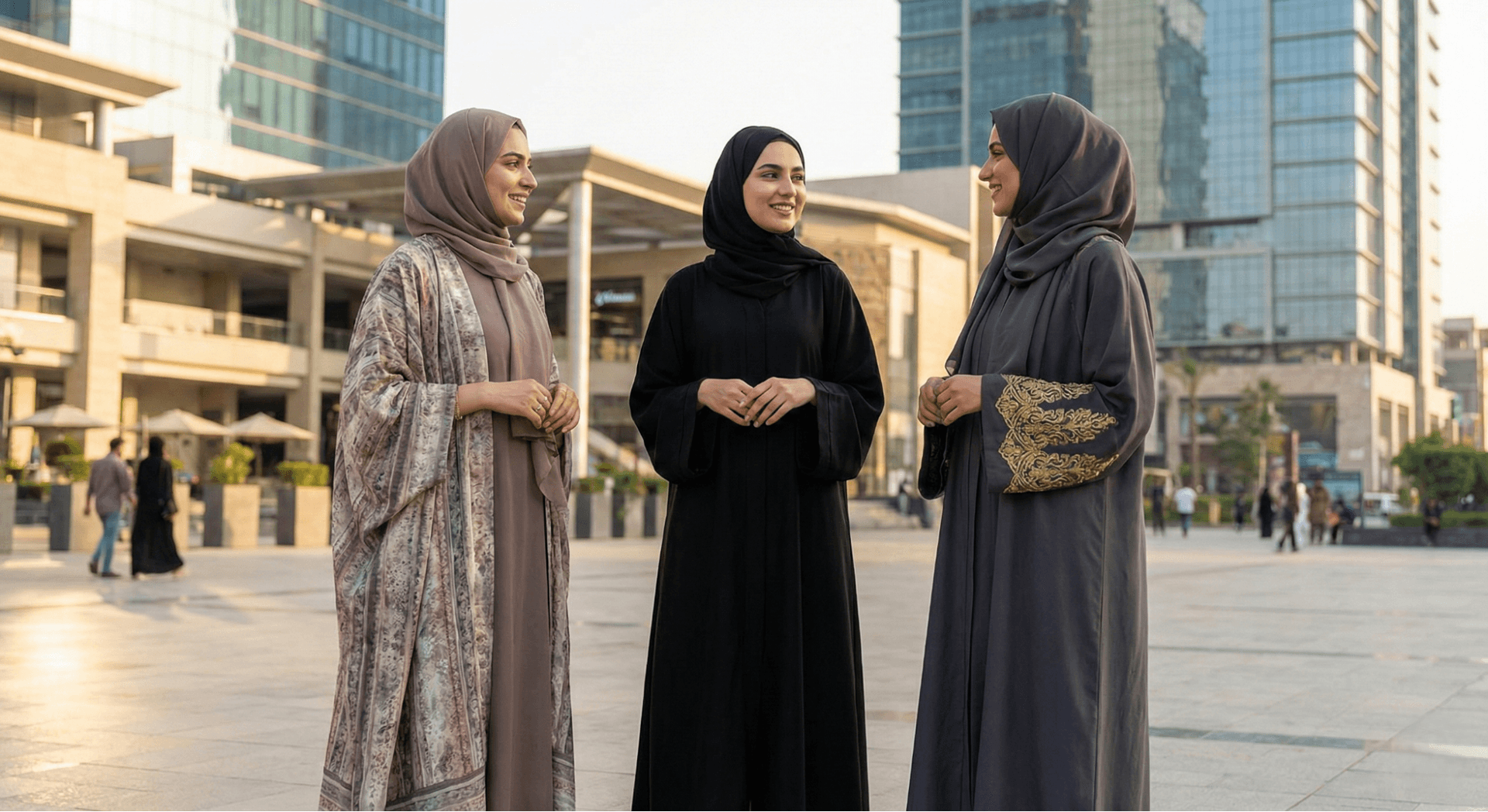
Common Fabric Mistakes Women Make
Even experienced shoppers occasionally make missteps when choosing modest wear. Avoid these common pitfalls:
- Choosing Design Over Comfort: Buying a heavily embroidered piece on a stiff, itchy fabric will result in an abaya that stays in your closet.
- Ignoring Transparency: Assuming all dark fabrics are opaque. A black chiffon abaya without a proper lining will still show your silhouette in direct sunlight.
- Buying Trend-Based Fabric Unsuitable for Weather: Wearing a heavy velvet or wool blend abaya in the middle of a humid July just because the cut is trending.
- Ignoring Washing Instructions: Putting delicate georgette or embroidered Nida into a harsh machine wash cycle, causing the fabric to lose its luxurious fall.
Expert Tips Before Final Purchase
Before you add an item to your cart and proceed to checkout, run through this quick checklist to ensure a successful purchase:
- Always check the fabric composition: Look for the exact material name (e.g., "100% Polyester Nida" or "Chiffon with Cotton Inner").
- Read the care label: Ensure the required maintenance matches your lifestyle.
- Ask the seller about thickness: If the description is vague, message the brand's customer service to ask if the fabric is lightweight, medium, or heavy.
- Look for real customer photos: Check the review section to see how the fabric drapes on real customers in natural lighting.
- Check the return policy: Ensure you can exchange the item if the fabric texture does not meet your expectations upon arrival.
Conclusion
When building a modest wardrobe, understanding that fabric defines both comfort and elegance is the most important step. A beautiful design can only truly shine when it is tailored on the right material.
Smart buyers prioritize the weave, texture, and breathability of the cloth just as much as the embroidery or the cut. By understanding how different materials behave, adapt to the weather, and fit into your daily life, buying an abaya online in Pakistan becomes a simple and confident process. With a little research and attention to detail, you can easily build a collection of abayas that look beautiful and feel wonderful to wear.
Further Reading
Frequently Asked Questions (FAQs)
Q-1: Which fabric is best for an abaya in Pakistan?
Korean Nida is widely considered the best overall fabric for abayas in Pakistan due to its luxurious fall, breathability, and durability. However, the "best" fabric ultimately depends on the season and your specific lifestyle needs.
Q-2: Is Korean Nida good for summer?
Yes, high-quality Korean Nida is an excellent summer abaya fabric. It is woven to be lightweight and breathable, allowing air to circulate while remaining completely opaque and modest.
Q-3: Which abaya fabric is non-transparent?
Standard Nidha, heavy crepe, and Korean Nida are inherently non-transparent. If you choose lighter fabrics like chiffon or georgette, they will require an opaque inner lining to ensure modesty.
Q-4: What fabric is best for daily wear abayas?
For daily wear, standard Nidha and matte crepe are the top choices. They are highly durable, provide full coverage, and require very little maintenance or ironing.
Q-5: How to check fabric quality when buying abaya online?
Read the product description for specific material names rather than generic terms. Zoom in on the product photos to examine the fabric's weave, check the GSM if listed, and always read customer reviews to see real-life photos of the drape.
Q-6: Which abaya fabric wrinkles less?
Crepe and premium Korean Nida are highly wrinkle-resistant. They are excellent choices for working professionals or anyone looking for a wash-and-wear garment that does not require daily ironing.
@All images in this blog are sourced from Wallpezia