What is the Difference Between Abaya, Burqa, and Hijab?
Learn the key differences between abaya, burqa, and hijab for modest fashion guidance in Pakistan. Explore fabrics, styles, occasions, and tips for choosing the right garment.
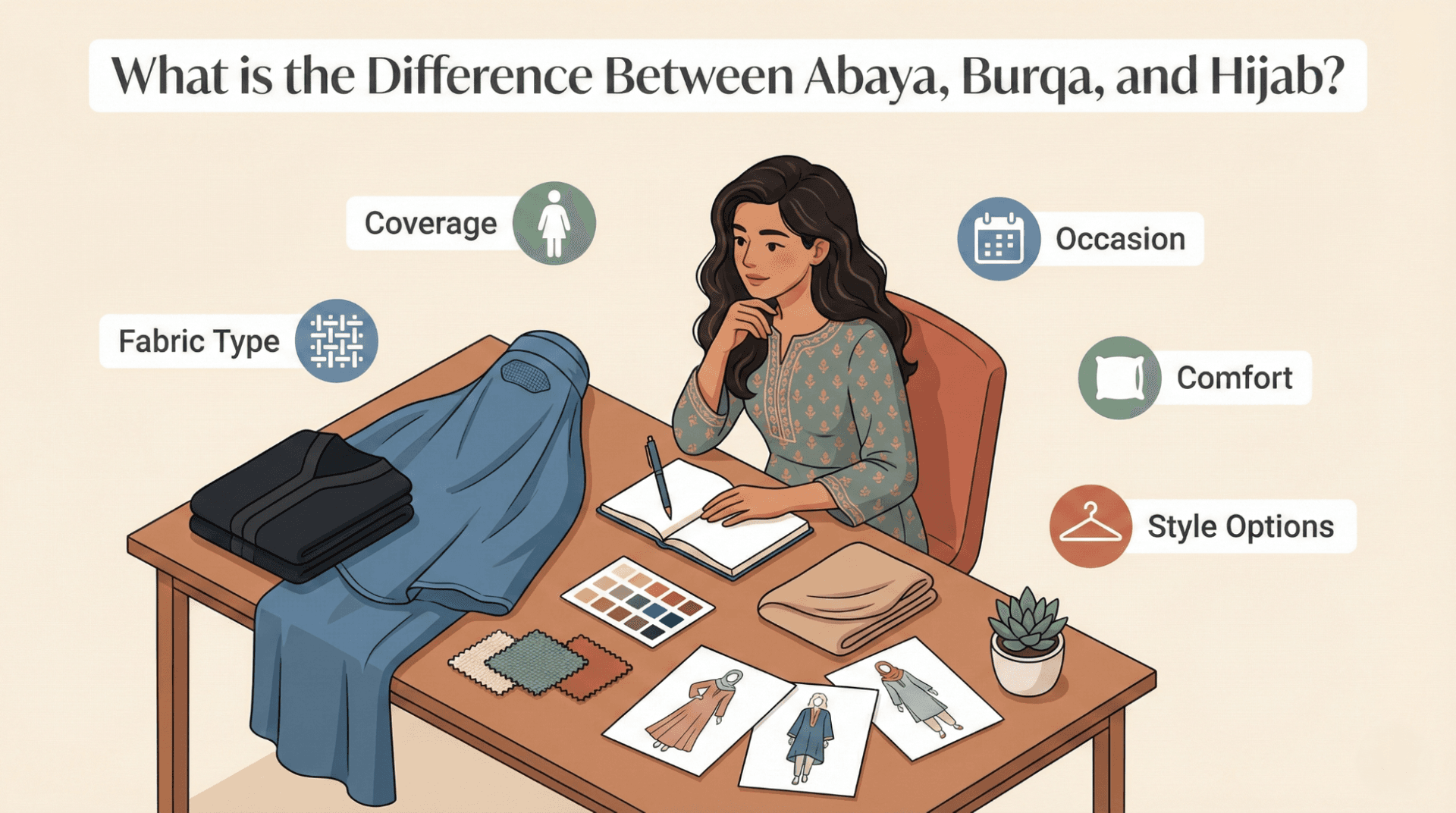
Picture this: a young Pakistani woman sits on her bed, scrolling through her phone, looking for the perfect modest outfit for her upcoming university semester. Her screen is flooded with stunning options, but she feels overwhelmed. She sees terms like "open-front abaya," "chiffon hijab," and "traditional burqa" used almost interchangeably. Like many women, she wants stylish, modest clothing but isn’t exactly sure which garment fits her purpose, comfort, or occasion.
In recent years, the interest in modern modest fashion in Pakistan has skyrocketed. Women are redefining what it means to dress modestly while staying chic and professional. Whether you are a university student, a young professional navigating the workplace, a busy housewife, or a bride seeking modest fashion guidance, understanding the distinct differences between an abaya, a burqa, and a hijab is the first step to building a wardrobe that makes you feel confident.
Let’s break down these garments, explore their cultural and fashion contexts, and help you choose the right piece for your lifestyle.
What Is a Hijab?
At its core, a hijab is a head covering worn by Muslim women to maintain modesty. However, it is much more than just a piece of cloth; it is a profound symbol of faith that has beautifully evolved into a cornerstone of modern modest fashion.
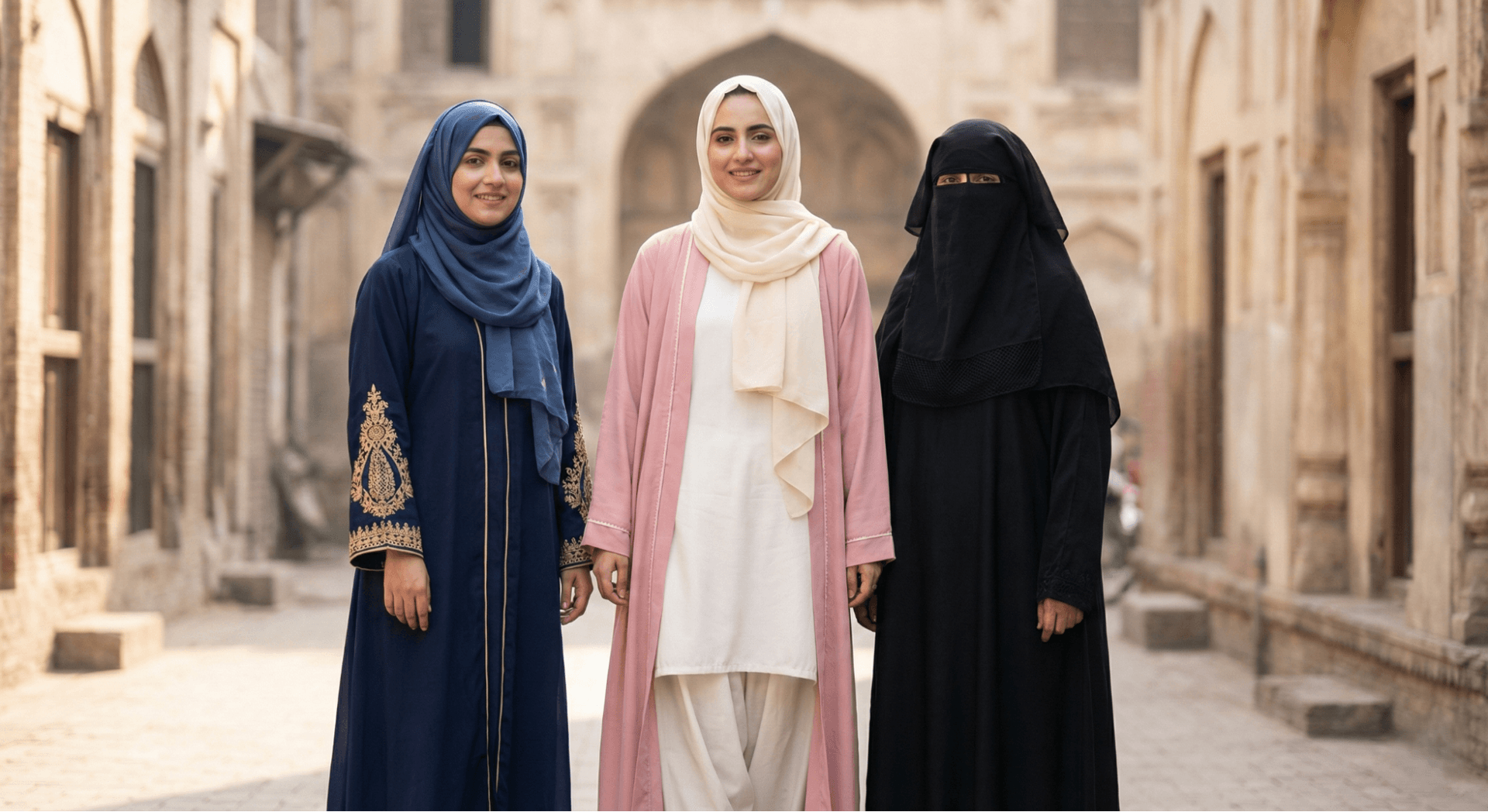
A hijab primarily covers the hair, neck, and chest, leaving the face visible. Today, you will find several variations of the hijab globally and in Pakistan:
- Shayla: A long, rectangular scarf wrapped around the head and pinned at the shoulders.
- Khimar: a long, cape-like veil that hangs down to just above the waist.
- Niqab: A face veil that leaves only the eyes visible (often worn with a hijab).
- Turban-style hijabs: A modern wrap that covers the hair completely but leaves the neck exposed, popular among younger women.
The hijab seamlessly transitions across different parts of a woman’s life. For daily wear or student life, women often opt for breathable fabrics like soft cotton or jersey. For the workplace or formal events, elegant chiffon or silk scarves take the spotlight. When you look forhijabs online Pakistan, you will also find a vibrant world of hijab accessories, from magnetic pins to comfortable hijab caps (underscarves) that keep everything securely in place.
What Is an Abaya?
An abaya is a loose, long outer garment that covers the body from the shoulders down to the feet. While it provides full-body coverage, the abaya itself does not cover the head; women typically pair it with a matching or contrasting hijab.
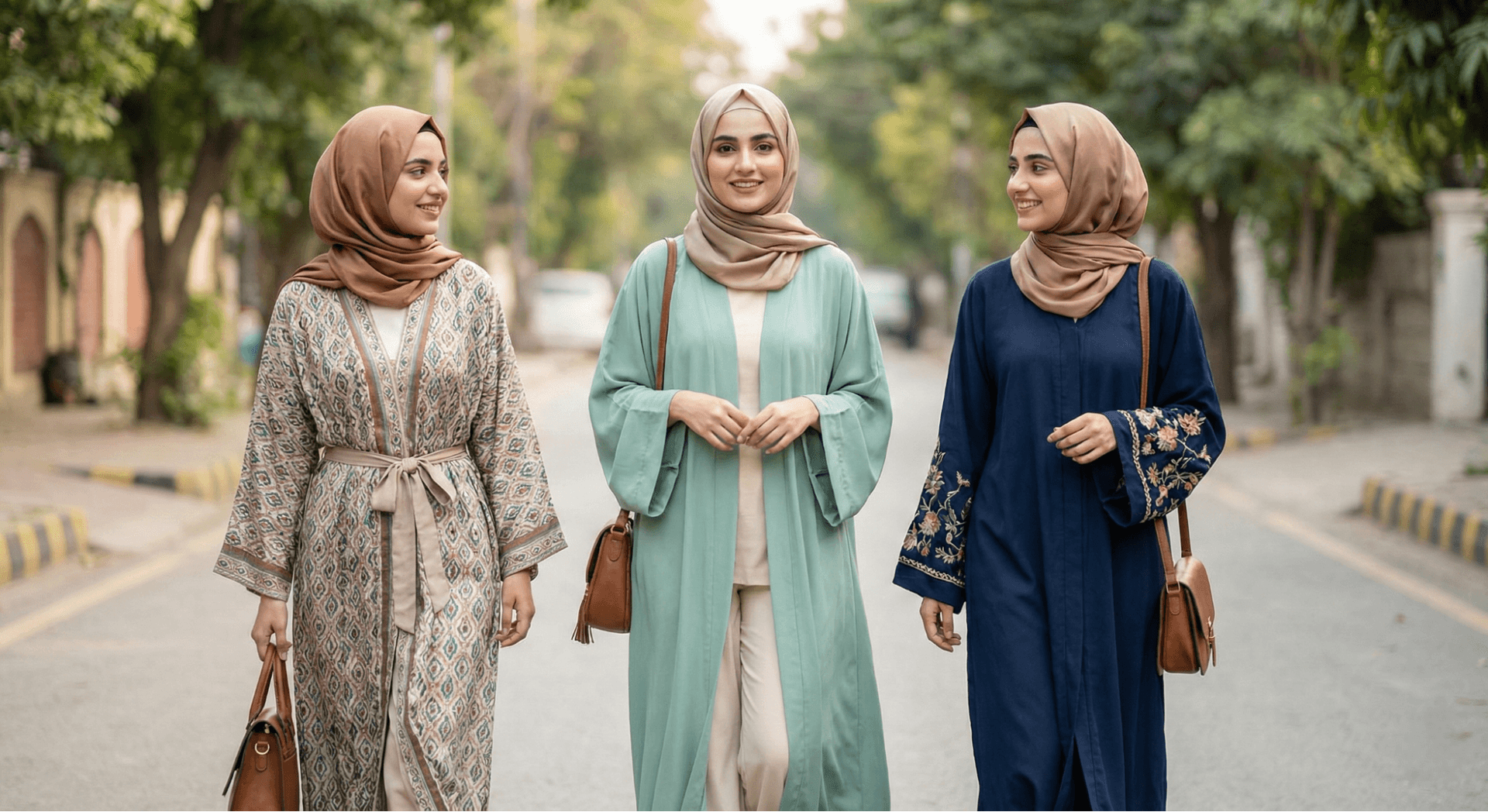
The evolution of the abaya in Pakistan is truly a fashion revolution. Gone are the days when abayas were strictly black and uniform. Today, modern abayas Pakistan feature incredible versatility and artistry. Some of the most popular styles include:
- Open front abaya: Worn like a long, flowing duster coat over regular clothes, offering a breezy, contemporary look.
- Front-zip abayas: Practical and easy to wear, especially favored by busy mothers and students.
- Kimono-style: Featuring wide, flowing sleeves that add a touch of dramatic elegance.
- Embroidered abaya designs: Intricate threadwork on the sleeves, hem, or back, perfect for formal occasions or Eid.
Abayas serve a dual purpose: they offer cultural acceptance and religious modesty, while also acting as a canvas for personal expression. Designers now craft them in beautiful pastel shades, earthy neutrals, and rich jewel tones. To ensure elegant draping, high-quality fabrics like Korean nida abaya materials, flowy chiffon, and breathable georgette are the top choices. If you want to buy abaya online Pakistan, you will find these fabrics dominate the premium market.
What Is a Burqa?
A burqa is the most concealing of all Islamic garments. It is a one-piece, full-body garment that covers a woman from head to toe, including the face. To allow the wearer to see, a burqa features a woven mesh screen over the eyes.
The burqa carries deep traditional and cultural significance. It is primarily worn in more conservative regions and rural areas, though you still see it in urban centers. When comparing the burqa to the abaya, the main differences lie in practicality and occasion. While an abaya allows for fluid movement, easy integration into professional environments, and diverse fashion styling, the burqa serves a singular, highly conservative purpose.
While the burqa is less common in the modern, fashion-focused circles of modest fashion Pakistan, it remains an important, culturally respected part oftraditional Islamic clothing in the region.
Key Differences Between Abaya, Burqa, and Hijab
To make things simple, here is a quick comparison of the three garments:
Garment | Coverage | Occasion | Fabric/Fashion | Popularity |
Hijab | Head and neck (face visible) | Daily, casual, workplace, formal events | Light fabrics, scarves, diverse colors | Widely used across all demographics |
Abaya | Full body (head cover is separate) | Daily, office, university, special events | Nida, chiffon, georgette, embroidered | Highly popular in urban Pakistan |
Burqa | Full body + face mesh | Traditional settings, religious adherence | Heavier fabrics, highly conservative | Less common in urban fashion hubs |
Why Fabric and Comfort Matter
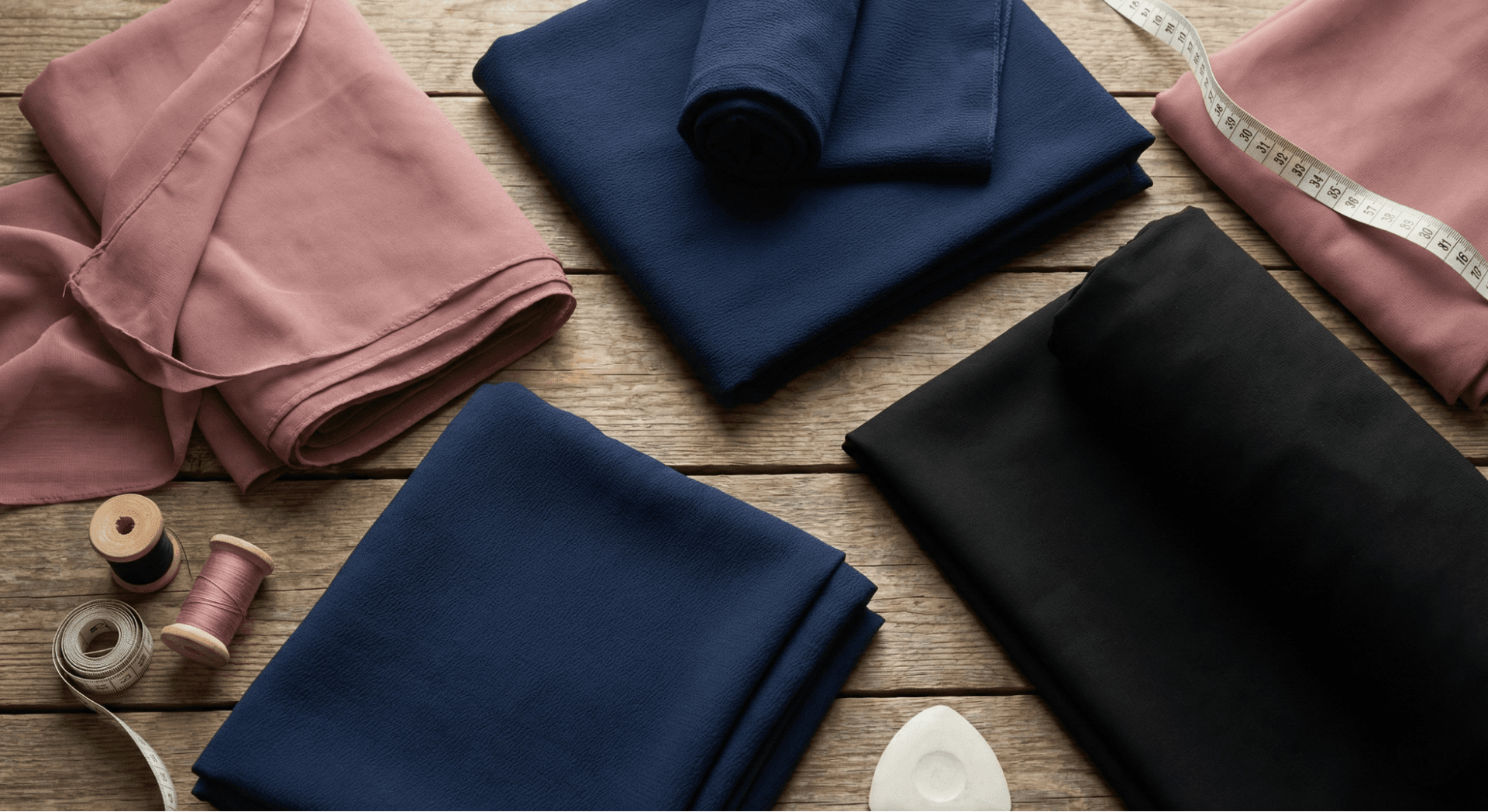
When navigating modest fashion, style should never come at the cost of comfort. Choosing the right fabric dictates how well your garment breathes, drapes, and moves with you throughout the day.
During the scorching Pakistani summers, lightweight and breathable fabrics are essential. Opt for light cotton blends, airy chiffon, and high-quality Korean nida, which is famous for being incredibly soft and cooling against the skin. In contrast, winter calls for thicker nida, wool blends, and layered velvet abayas that keep the chill out while maintaining a sleek silhouette. Balancing modesty with everyday wearability means paying close attention to the fabric composition before making a purchase.
Tips for Choosing the Right Garment
Finding your perfect modest look involves a few thoughtful considerations:
- Occasion-Based Selection: Stick to simple, closed-front abayas or jersey hijabs for university and running errands. Reserve your heavily embroidered abayas and silk hijabs for weddings and formal dinners.
- Body Type Considerations: A-line abayas flatter almost every body type, while an open-front abaya creates a beautiful vertical line that elongates the silhouette.
- Color Psychology: Dark shades like black, navy, and maroon project authority and elegance. Pastel shades (blush pink, mint green) offer a soft, approachable, and fresh daytime look.
- Climate Suitability: Always align your fabric choice with the weather. Layering a chiffon abaya over a light cotton dress is a smart, climate-friendly styling trick.
- Mixing and Matching: Don't be afraid to experiment. Pair a neutral-colored abaya with a vibrantly printed hijab to add a pop of personality to your outfit.
Common Mistakes Women Make When Choosing Modest Clothing Online
Shopping online is convenient, but it comes with pitfalls. Here is what to avoid:
- Ignoring Fabric Details: A picture might look great, but if the description says "polyester" and you need a summer outfit, you will be uncomfortable. Always read the fabric specs.
- Not Checking Size Charts: Abaya sizing usually depends on your height, not just your standard dress size. Always measure from your shoulder to your heel before clicking 'buy'.
- Buying Solely Based on Photos: Lighting and editing can alter colors. Look for customer reviews with real-life photos to see how the garment actually drapes.
- Prioritizing Trends Over Comfort: A heavily layered, ruffled abaya might look stunning on Instagram, but if it restricts your movement during a busy workday, it is not a practical choice.
Best Online Stores for Modern Modest Fashion
If you are looking to upgrade your modest wardrobe, Pakistan has a growing list of excellent modest fashion brands that offer everything from affordable abayas online to premium evening wear.
Brands like Outfitters andSapphire occasionally release modest wear lines that appeal to the younger, trend-focused crowd. Specialized stores like Abaya.pk provide a vast, traditional variety. Additionally, stores like Haya Threads focus on combining modern aesthetics with modest elegance, offering curated collections of abayas, hijabs, and modest wear suitable for both daily use and special occasions. When you buy abaya online Pakistan, looking for brands that offer clear sizing, fabric transparency, and a variety of naqabs and scarves will ensure a smooth shopping experience.
Conclusion
The world of modern modest fashion is rich, varied, and more accessible than ever before. Whether you seek the full traditional coverage of a burqa, the elegant flow of an abaya, or the vibrant versatility of a hijab, there is a perfect garment out there designed for your specific lifestyle.
Modesty does not mean compromising on your personal style. By understanding the distinct purposes, fabrics, and trends associated with each garment, you can build a wardrobe that respects your values and showcases your elegance. So, the next time you (or our university student from the beginning of the story!) scroll through an online boutique, you can confidently select the exact piece you need with total clarity.
Frequently Asked Questions (FAQs)
Q-1: What is the difference between an abaya and a burqa?
An abaya is a loose, flowing outer garment that covers the body but leaves the head and face exposed (requiring a separate hijab). A burqa is a single garment that covers the entire body, head, and face, featuring a mesh screen for the eyes.
Q-2: Can I wear a hijab without an abaya?
Yes, absolutely. A hijab is simply a head covering and can be styled with any modest outfit, such as long dresses, loose tunics, or wide-leg trousers, without needing an abaya.
Q-3: Which fabrics are best for summer abayas?
For the hot summer months, prioritize lightweight and breathable fabrics. Korean nida, premium chiffon, georgette, and cotton blends are the best choices to keep you cool.
Q-4: How do I style a kimono abaya for work?
Pair a neutral-toned kimono abaya with tailored wide-leg trousers and a simple blouse underneath. Finish the look with a neatly wrapped chiffon hijab and closed-toe loafers for a professional, polished appearance.
Q-5: Is the burqa still commonly worn in Pakistan?
While modern abayas and hijabs dominate urban fashion, the burqa remains culturally significant and is still commonly worn in more conservative and rural regions of Pakistan.
Further Reading
- Best Online Stores to Buy Abayas with Modern Designs in Pakistan
- Why Fabric Matters When Choosing an Abaya?
- Common Mistakes Women Make When Buying Abayas Online
- Your Ultimate Guide to Hijab: Types, Styles, and How to Wear!
- Common Mistakes Women Make When Buying Abayas Online
- 7 Stunning Abaya Styles & Fabrics Perfect for Every Season
@All images in this blog are sourced from Wallpezia