What is Hijab in Islam? Meaning, Types & Modern Styling Guide
Discover the meaning, types, and modern styling of hijab in Islam for women. Learn how to wear it with confidence, balance modesty with style, and follow modern fashion trends.
In recent years, the conversation around modest fashion has gone global, appearing on international runways and in high-street stores from Lahore to London. Yet, for millions of Muslim women, the hijab is far more than just a trend—it is a deeply personal commitment and a way of life.
For many young women in Pakistan, whether university students or professionals, balancing religious values with modern aesthetics can sometimes feel like a challenge. You might wonder:How do I stay true to my faith while expressing my personal style?
This guide explores what hijab truly means in Islam, breaks down the different styles available today, and offers practical tips on how to wear it with confidence and grace.
What is Hijab in Islam?
The Literal and Spiritual Meaning
Linguistically, the Arabic word "Hijab" translates to a "barrier," "partition," or "cover." However, in the Islamic context, it encompasses much more than a piece of cloth. It refers to a code of modesty that outlines both dress and behavior for men and women.
Religious Significance
In Islam, hijab is primarily an act of obedience to Allah (SWT) and a means of preserving dignity (Haya). It serves as a visible identity for Muslim women, signaling that they are believers who value modesty.
The Quran addresses the concept of covering in Surah An-Nur (24:31) and Surah Al-Ahzab (33:59), guiding believing women to draw their veils over themselves to be recognized and respected. It is important to understand that hijab is not meant to hide a woman’s intelligence or personality, but rather to shift the focus from her physical appearance to her character and mind.
Types of Hijab & Styles
Hijab styles have evolved significantly, blending tradition with cultural preferences. Here are the most common types you will see in Pakistan and beyond:
- The Shayla: A long, rectangular scarf wrapped loosely around the head and tucked at the shoulder. This is the most popular style for modern modest fashion in Pakistan.
- Al-Amira: A two-piece veil consisting of a close-fitting cap and a tube-like scarf. It is comfortable and secure, making it a favorite for students and athletes.
- The Khimar: A cape-like veil that covers the hair, neck, and shoulders, hanging down to just above the waist. It provides excellent coverage and is easy to wear.
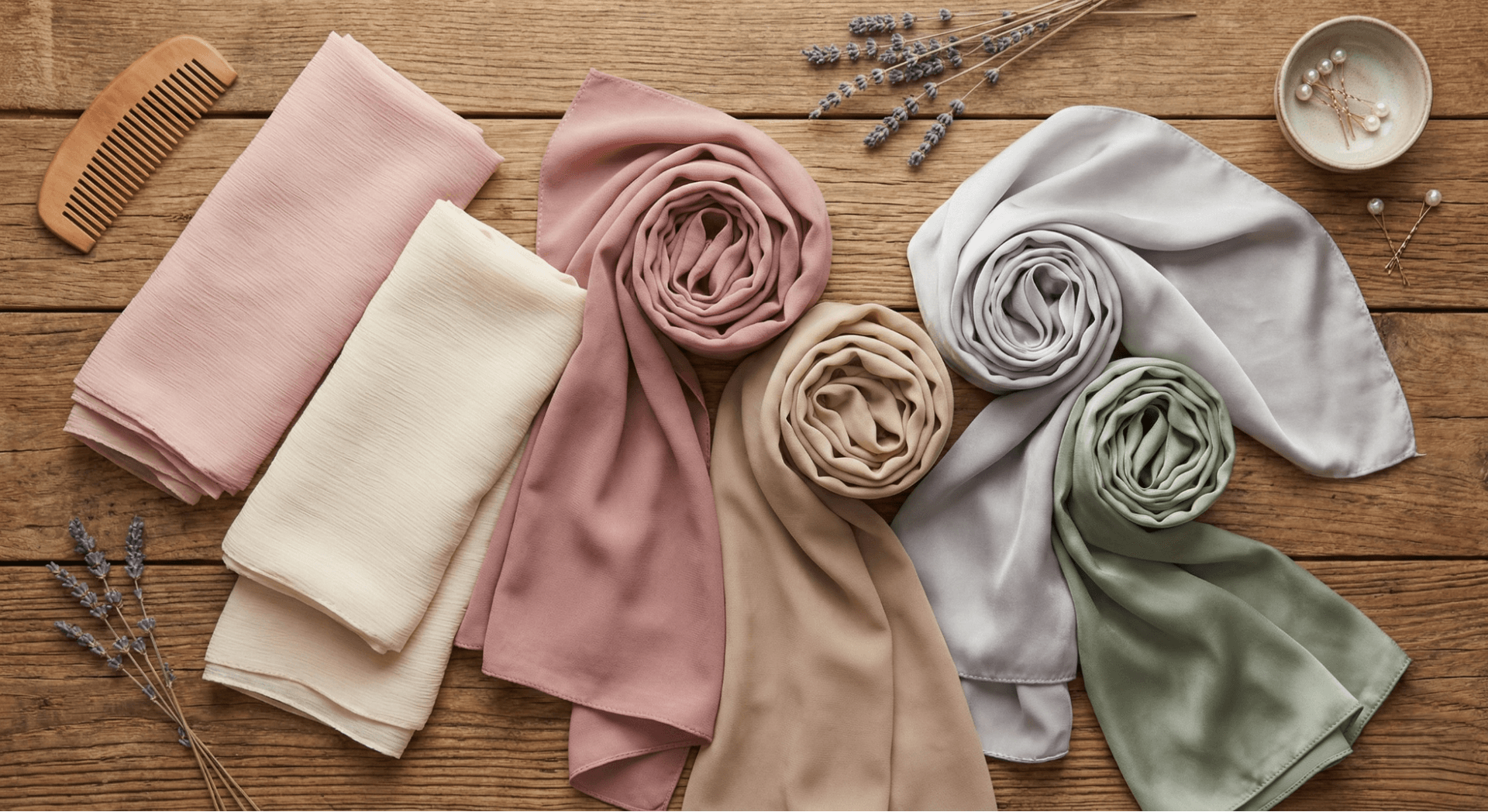
- Modern Fashion Hijabs: Today, hijabs come in premium fabrics like chiffon, georgette, silk, andKorean nida. These are often styled with volume or simple drapes to suit formal and casual looks.
- Full-Body Coverings:
- Abaya: A loose, robe-like overgarment.
- Niqab: A veil that covers the face, leaving the eyes visible.
- Jilbab: A long, loose coat or garment that covers the entire body.
Why Hijab Matters in Islam
Spiritual Connection
Wearing hijab is a constant reminder of faith. It requires discipline and patience, especially in hot weather or challenging social environments. This daily act of devotion strengthens a woman’s connection with her Creator.
Social and Personal Empowerment
Contrary to the belief that it limits women, many find that hijab liberates them. It allows women to navigate society without the pressure of conforming to unrealistic beauty standards. It demands that society value a woman for her thoughts, skills, and contributions rather than her body.
How to Practice Hijab in Daily Life
Transitioning to wearing hijab or maintaining it daily can be a journey. Here are some tips to make it easier:
- Start Small: If you are new to hijab, start with easy-to-wear styles like the Al-Amira or simple cotton wraps before experimenting with complex pins and drapes.
- Choose the Right Fabric: In Pakistan's heat, fabric is everything. Opt for breathable materials. You can read more about the Best Fabric for Summer Abayas in Pakistan to ensure you stay cool while covered.
- Work & Study: For university or the office, choose secure styles that don't require constant adjusting. Magnetic pins are a lifesaver for keeping chiffon hijabs in place without damaging the fabric.
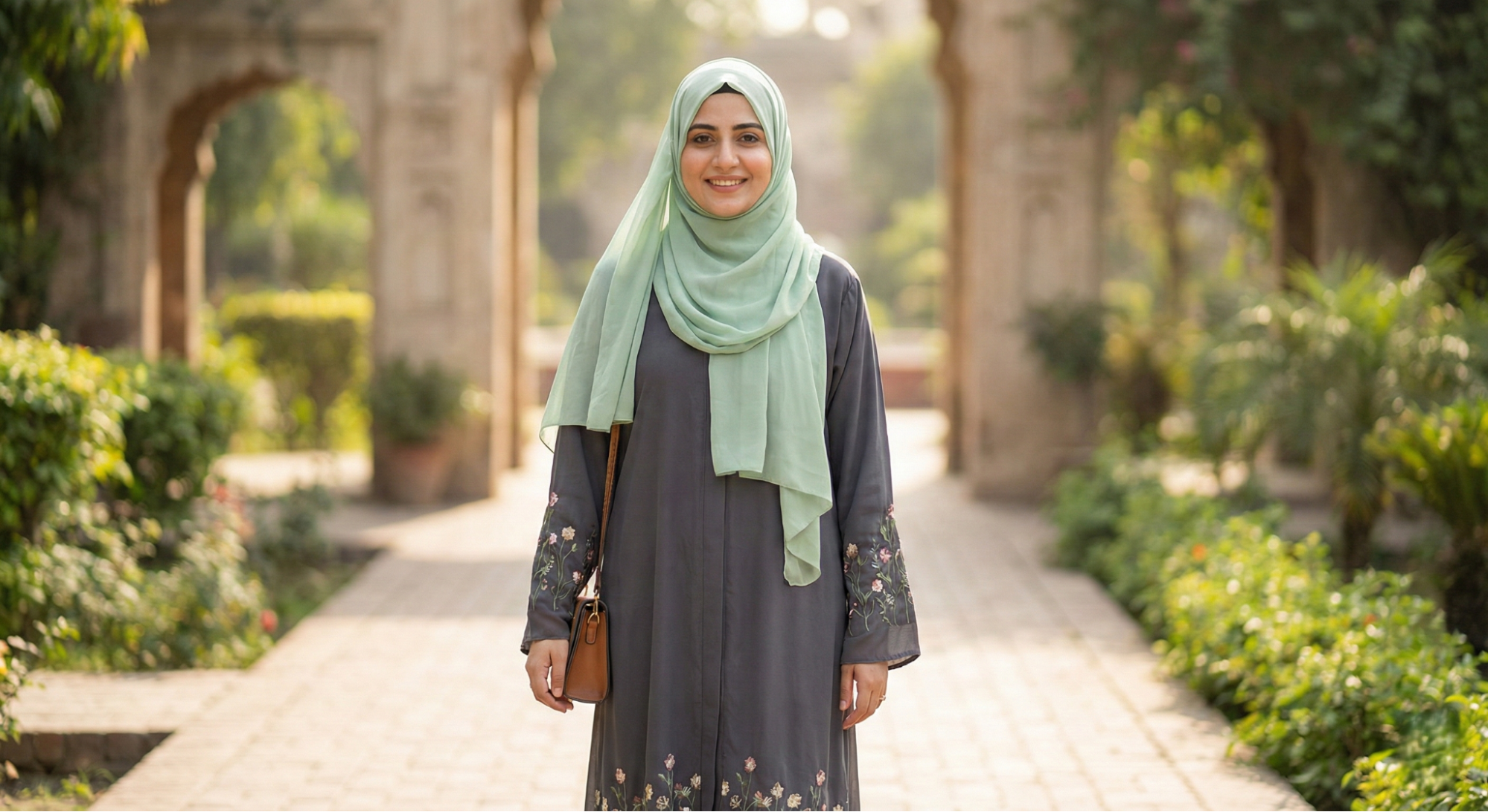
- Balance Modesty and Style: You don't have to look dull. Pair neutral hijabs with vibrant kurtas or match a printed scarf with a solid-colored abaya.
Hijab and Modern Fashion Trends
Modest fashion in Pakistan is booming. The modern hijabi aesthetic focuses on elegance, minimalism, and comfort.
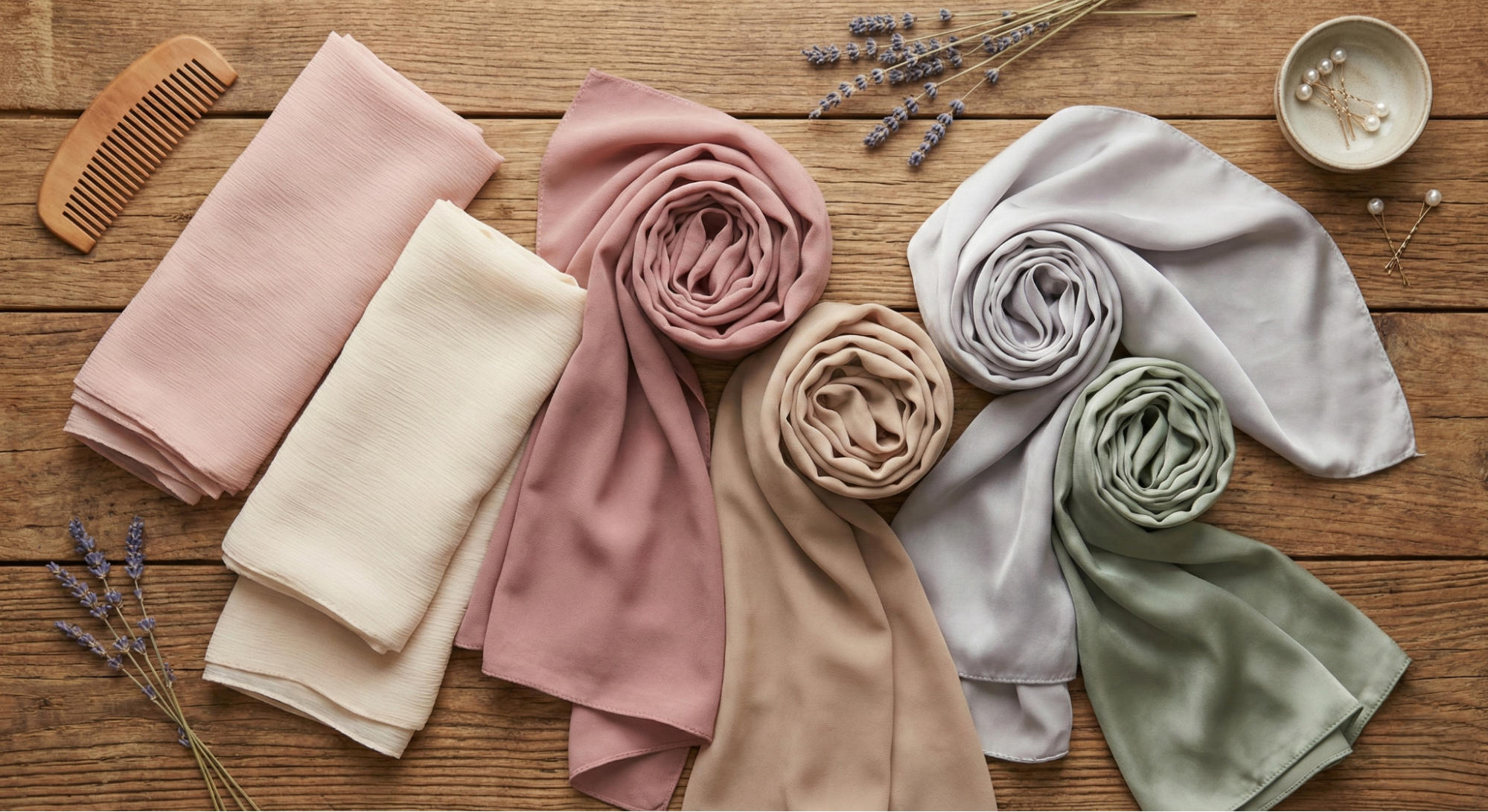
- The "Clean Girl" Aesthetic: Neutral, beige, and pastel hijabs (nude, sage green, dusty pink) are trending. They pair perfectly with almost any outfit.
- Abaya Fusion: Wearing open-front abayas over jeans and long tunics is a popular street style.
- Subtle Details: Hijabs with delicate lace borders or minimal embroidery add a touch of sophistication without being loud.
Some modest fashion stores like Haya Threads offer hijabs and abayas designed to blend elegance with everyday comfort, suitable for different occasions.
Common Misconceptions About Hijab
Let’s clear up some common myths surrounding the hijab:
- "Hijab is a symbol of oppression."For the vast majority of Muslim women, hijab is a personal choice and an empowering expression of faith, not a sign of being controlled.
- "Hijab is only for women."Islam prescribes a code of modesty for men as well, known as hijab of the eyes. Men are commanded to lower their gaze and dress modestly, covering the area between the navel and knees.
- "You can't be fashionable in hijab."The thriving modest fashion industry proves otherwise. You can be stylish, professional, and chic while fully observing religious requirements.
Tips for Choosing the Right Hijab Style
Selecting a style that suits your features makes a huge difference in how confident you feel.
- Face Shape:
- Round Face: Create loose folds around the cheeks to elongate the face. Avoid tight under-caps that sit low on the forehead.
- Oval Face: Most styles suit you! You can pull off the tight Turkish style or a loose Shayla drape equally well.
- Square Face: Soften a strong jawline with loose drapes and rounded styles; avoid pinning the hijab tightly under the chin.
- Occasion:
- Casual: Jersey and cotton hijabs are best for running errands or attending classNamees.
- Formal: Satin, silk, or high-quality Korean nida hijabs elevate a look for weddings or dinners.
- Color Psychology: Lighter colors like white and cream reflect heat and look fresh in summer, while darker tones like navy and maroon offer a formal, authoritative look for work.
Common Mistakes Women Make When Wearing Hijab
- Ignoring Comfort: Wearing heavy fabrics like velvet in June will make you resent the experience. Always prioritize weather-appropriate materials.
- Using Too Many Pins: This can cause headaches and damage the fabric. Try using a good quality underscarf (bone cap) to provide grip instead.
- The "Hump" Effect: Using excessively large scrunchies or clips to create volume can sometimes look unnatural and is often discouraged in religious etiquette.
- Mismatched Tones: Ensure your hijab undertone (warm vs. cool) matches your outfit and skin tone for a cohesive look. You can check out the Best Online Stores to Buy Abayas with Modern Designs in Pakistan to find collections that offer matching sets to avoid this issue.
Conclusion
The hijab is a beautiful blend of spiritual devotion and personal identity. It is a journey that looks different for every woman. Whether you wear a simple cotton scarf or a flowing chiffon drape, the essence remains the same: a commitment to modesty and a connection to Allah.
Remember, practicing hijab in the modern world doesn't mean you have to sacrifice your sense of style. With the right fabrics, knowledge of your face shape, and a little confidence, you can wear your hijab with pride and elegance.
Frequently Asked Questions (FAQs)
Q-1: What does hijab literally mean?
The word "hijab" literally means "barrier," "partition," or "curtain" in Arabic. In a religious sense, it refers to the code of modesty and the head covering worn by Muslim women.
Q-2: Is hijab compulsory in Islam?
The majority of Islamic scholars agree that hijab is an obligatory practice for Muslim women once they reach puberty, based on evidences from the Quran and Sunnah.
Q-3: Which fabrics are best for hijab in Pakistani summers?
Breathable and lightweight fabrics are essential. Lawn, cotton, and high-quality chiffon or georgette are excellent choices. Korean nida is also popular for its cooling and flowy properties.
Q-4: Can hijab be stylish and modern?
Absolutely. Modest fashion is a massive global industry. Through color coordination, layering, and choosing modern accessories, hijab can be very stylish while maintaining its primary purpose of modesty.
Q-5: How do I stop my hijab from slipping?
The key is a good foundation. Wear a cotton under-cap (tube cap or ninja inner) to provide friction. You can also use magnetic pins or straight pins to secure the layers without damaging delicate fabrics like silk or chiffon.
@All images in this blog are sourced from Wallpezia