What Is an Abaya? Types, Styles & Where to Buy in Pakistan
Discover different types of abayas, modern styles, fabrics, and the best online stores in Pakistan.
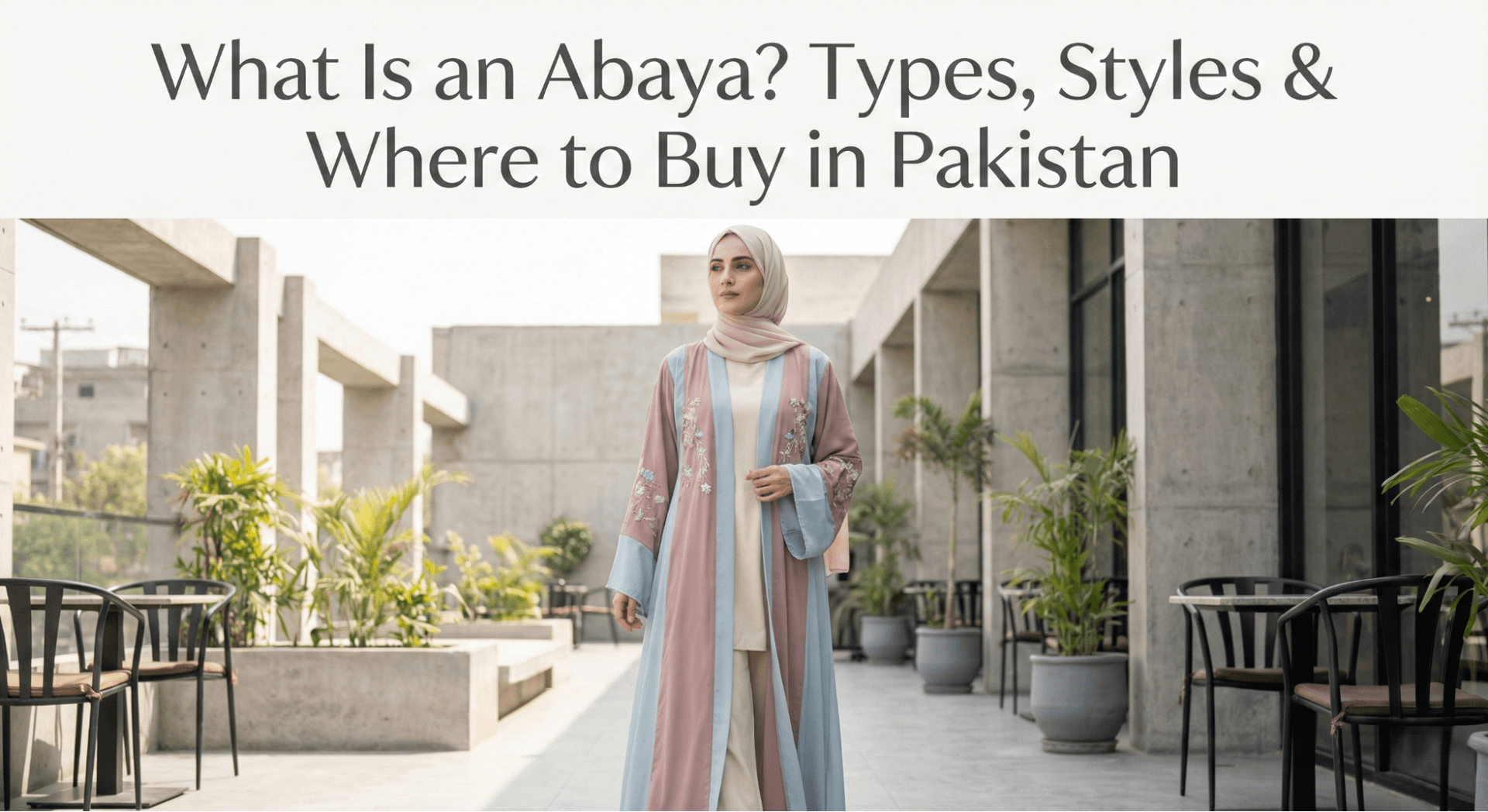
For decades, the abaya served primarily as a functional garment for modesty. Today, however, it represents a fusion of tradition, personal style, and modern elegance. In Pakistan, the modest fashion landscape has shifted dramatically. Women no longer view the abaya solely as a black robe; it is now a versatile wardrobe essential available in various cuts, colors, and fabrics.
Whether you are a university student looking for practical daily wear or a bride seeking an elegant overlay for your big day, understanding the different types of abayas and where to find them is essential. This guide explores the evolution of the abaya, the styles trending in Pakistan, and practical tips for shopping online.
What Is an Abaya and Why Is It Popular?
Historically, the abaya is a loose-fitting, full-length outer garment worn by women to comply with Islamic guidelines of modesty. While its roots lie in the Arabian Peninsula, the abaya has found a permanent home in South Asian fashion.
In Pakistan, the surge in modern abayas Pakistan consumers demand is driven by convenience and aesthetics. An abaya offers full coverage without compromising on style. It allows women to move freely in public spaces, workplaces, and educational institutions while maintaining a sophisticated appearance. The rise ofonline abaya shopping Pakistan has further democratized access, allowing women in every city to access high-quality modest wear.
Popular Types & Styles of Abayas in Pakistan
The "one size fits all" concept no longer applies. Designers now create silhouettes that cater to different body types and occasions. Here are the most sought-after styles.
1. Open-Front Abayas
Resembling a long cardigan or kimono, the open-front abaya is a favorite among university students and working professionals. You can wear it over jeans and a kurta or a maxi dress. It offers flexibility, allowing you to style your inner outfit while keeping the overall look modest.
2. Kimono-Style Abayas
Inspired by Japanese aesthetics, these feature wide sleeves and a belted waist. The kimono style provides ample room and does not cling to the body, making it an excellent choice for summer heat.
3. Embroidered Sleeve Abayas
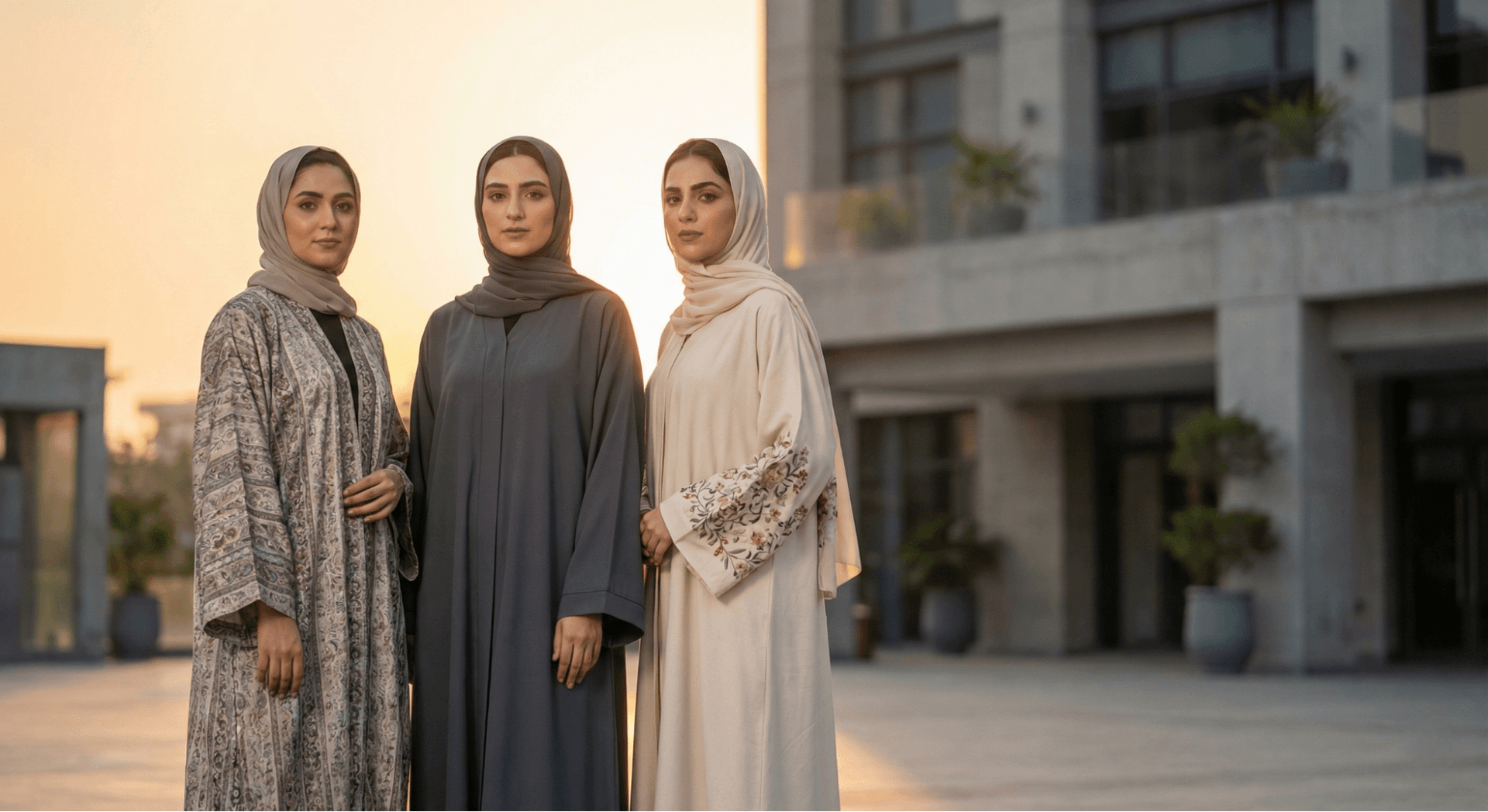
For formal gatherings, weddings, or Eid, embroidered abaya designs add a touch of luxury. Usually featuring intricate thread work on the cuffs and hem, these abayas elevate a simple look without requiring heavy jewelry or accessories.
4. Layered and Butterfly Abayas
The butterfly style starts wide at the sleeves and tapers down, creating a majestic, flowing silhouette. Layered abayas often use chiffon or georgette to create depth and movement, ideal for evening wear.
5. Minimalist Solid-Color Abayas
While black remains a classNameic, the trend has shifted toward earth tones and pastels. Olive green, dusty pink, beige, and navy blue are increasingly popular. These affordable abayas online are staples for women who prefer a clean, understated aesthetic.
Why Fabric Matters When Choosing an Abaya
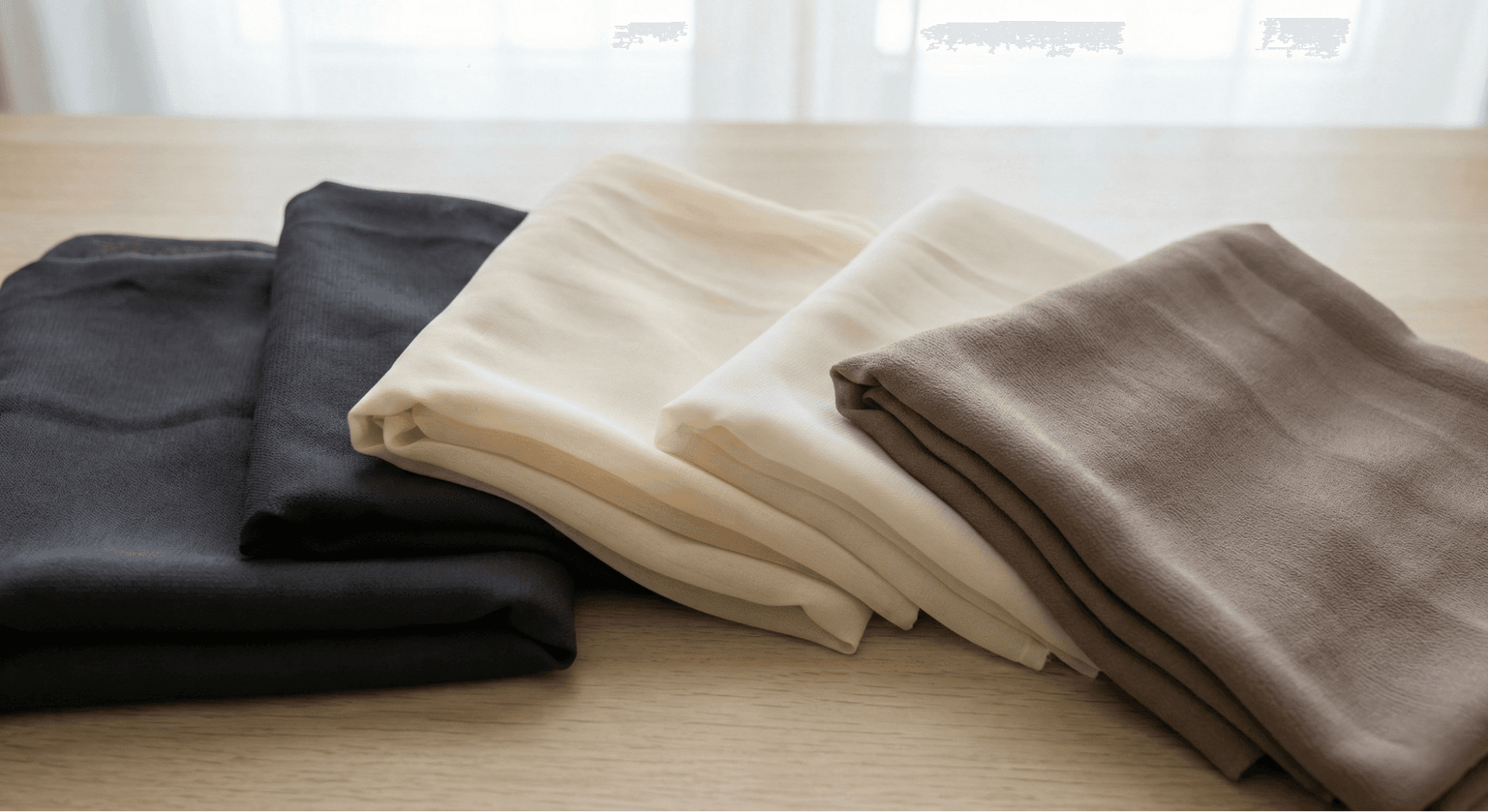
The fabric defines how an abaya falls, how long it lasts, and most importantly, how comfortable it feels. Given Pakistan's distinct seasons, choosing the right material is critical.
- Korean Nida: This is the gold standard for high-quality abayas. It is smooth, lightweight, opaque, and has a subtle sheen. It repels dust better than cotton and drapes beautifully.
- Chiffon & Georgette: excellent for formal, layered abayas. However, these fabrics are sheer and usually require a full lining. They offer a flowy, feminine look.
- Linen & Cotton Blends: Perfect for the scorching Pakistani summer. These natural fibers breathe well but may wrinkle easily compared to synthetic blends.
- Silk & Velvet: Reserved for winter or luxury evening wear. They provide warmth and a rich texture but require careful maintenance.
If you are unsure which material suits the current season, you might find our guide on the Best Fabric for Summer Abayas in Pakistan helpful for navigating the heat.
Where to Buy Modern Abayas Online in Pakistan
Finding reliable modest fashion brands can be challenging due to the sheer volume of sellers. Based on product quality, design variety, and customer service, here are top platforms to consider. For a more detailed breakdown, you can check our list of the Best Online Stores to Buy Abayas with Modern Designs in Pakistan.
1. Haya Threads
Haya Threads focuses on modern aesthetics combined with modesty. They cater to women seeking contemporary cuts, such as color-block designs and tailored fits, alongside matchinghijabs online Pakistan. Their collection is curated for durability and style, bridging the gap between traditional coverage and modern fashion.
2. Sapphire
While primarily known for lawn, Sapphire has expanded into modest wear. Their solid-colored, structured abayas and long tunics are excellent for women who prefer high-street fashion standards and standardized sizing.
3. Black Camel
A household name for practical, everyday wear. Black Camel specializes in providing durable options for students and office workers. Their focus is often on functionality and pockets, making them a pragmatic choice for daily commuting.
4. Laam Abaya
Laam operates as a fashion aggregator, hosting multiple designers under one roof. If you are looking for designer wear or heavy formal abayas for a wedding, Laam offers a wide variety of price points and styles.
5. Darul Libaas
For those who prefer traditional cuts, Darul Libaas offers a vast range of classNameic styles. They are well-regarded for prayer abayas and simple, full-coverage designs that prioritize religious observance over trends.
Tips for Choosing the Right Abaya Style & Size
Shopping online removes the ability to try clothes on, so you must rely on knowledge and measurements.
- Know Your Height: Abaya sizing usually corresponds to length (e.g., size 52 means 52 inches long). Measure yourself from shoulder to toe to ensure the hem doesn't drag on the floor or sit too high above the ankles.
- Consider Body Type:
- Pear-shaped: A-line or flared abayas balance the silhouette.
- Tall: Kimono styles and straight cuts look elegant.
- Petite: Avoid excessive layering or oversized batwing sleeves that might overwhelm your frame.
- Check the Occasion: A Korean nida abaya is versatile enough for both work and dinner, whereas a heavy velvet abaya is strictly for winter events.
For those new to modest styling, understanding the accessories is also key. You can read more about head coverings in our article: What is Hijab in Islam? Meaning, Types & Modern Styling Guide.
Common Mistakes Women Make When Buying Abayas Online
To ensure you are happy with your purchase, avoid these common pitfalls:
- Ignoring Fabric Details: A photo can make cheap polyester look like silk. Always read the description. If it says "Nida," check if it specifies "Korean Nida" (higher quality) or just generic synthetic.
- Guessing the Size: Standard clothing sizes (Small, Medium, Large) do not always translate to abaya lengths. Always consult the specific size chart of the brand.
- Overlooking Transparency: Some light-colored abayas (white, beige, cream) in georgette or linen can be see-through. Ensure the description mentions a lining, or be prepared to wear a slip underneath.
- Prioritizing Trends Over Comfort: An abaya with heavy sequins might look stunning on Instagram, but it may be impractical for a day at university or navigating public transport.
Conclusion
The abaya has evolved from a simple cultural garment into a diverse category of fashion that empowers women to express themselves while maintaining their values. Whether you prefer the flow of an open front abaya or the practicality of a zipped coat style, the Pakistani market offers something for everyone.
@All images in this blog are sourced from Wallpezia
By understanding fabrics and knowing where to look, you can build a modest wardrobe that is both functional and stylish. Take your time to explore reliable platforms like Haya Threads and others mentioned to find pieces that resonate with your personal style.
Frequently Asked Questions (FAQs)
Q-1. Which fabric is best for abayas in Pakistan's summer?
Korean Nida and Lawn-cotton blends are the best choices for summer. Korean Nida is cool to the touch and lightweight, while cotton allows for maximum breathability in humid weather.
Q-2. How do I choose the correct abaya size when shopping online?
Focus on length first. Abaya sizes (like 52, 54, 56) represent the length in inches from the shoulder to the hem. Measure your height and where you want the abaya to fall to select the right number.
Q-3. Can I wear open-front abayas for formal occasions?
Yes. You can dress up an open-front abaya by wearing a beaded or silk inner dress and pairing it with heels. Choosing an open-front abaya with embroidery on the lapels also adds a formal touch.
Q-4. Where can I find affordable abayas online in Pakistan?
Brands like Black Camel and various sellers on Laam offer competitive pricing. Haya Threads also offers curated selections that balance quality with reasonable pricing for the modern consumer.
Q-5. What is the difference between a standard Abaya and a Kimono Abaya?
A standard abaya typically has a straight or slightly A-line cut with regular sleeves. A kimono abaya features wide, loose sleeves and a wider body fit, often accompanied by a belt to cinch the waist.
Q-6. Do online stores in Pakistan offer exchange policies for abayas?
Most reputable Pakistani modest wear brands offer exchange policies, especially for sizing issues. However, you should always check the "Return & Exchange" tab on the website before purchasing, as sale items are often final.
Q-7. What is a "Nida" fabric abaya?
Nida is a 100% polyester weave known for being soft, opaque, and expensive-looking. It is the most popular fabric in the Middle East and Pakistan for luxury and daily-wear abayas because it does not stick to the body.