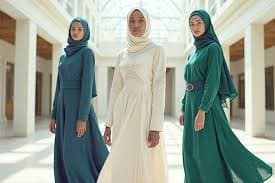
Color is more than just a visual element — it deeply influences our mood, perception, and even how others perceive us. In modest fashion, choosing the right color palette is crucial to expressing personality, culture, and elegance while maintaining modesty.
This article explores the psychology behind colors and provides practical advice on selecting shades that enhance your wardrobe and your confidence.
The Psychology of Colors
Colors evoke emotional responses and can affect behavior and feelings. Understanding these associations helps in making thoughtful fashion choices.
Red: Passion and Power
Red is a bold, energizing color that symbolizes passion, courage, and confidence. In modest fashion, red accents or accessories can bring vibrancy without overwhelming.
Blue: Calm and Trust
Blue evokes calmness, stability, and trustworthiness. It’s a popular choice for modest wardrobes because it is versatile and soothing.
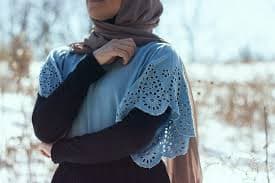
Green: Growth and Harmony
Green represents nature, renewal, and balance. It’s an excellent choice for those who want to express calm confidence and connection to nature.
Yellow: Optimism and Warmth
Yellow symbolizes happiness and positivity. Used sparingly in modest fashion, it can brighten an outfit and lift the mood.
Black: Elegance and Mystery
Black is timeless, sophisticated, and versatile. It’s a staple color that works well in modest fashion, especially for formal and evening wear.
White: Purity and Simplicity
White embodies purity, simplicity, and peace. It’s often used in modest fashion for fresh, clean looks and layering.
How to Choose Your Modest Fashion Palette
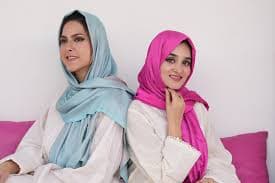
When selecting colors for your wardrobe, consider your skin tone, lifestyle, and the mood you want to convey.
Skin Tone and Undertones
Understanding your skin’s undertone (cool, warm, or neutral) helps choose colors that complement your natural complexion.
- Cool Undertones: Jewel tones like emerald, sapphire, and amethyst.
- Warm Undertones: Earth tones like rust, mustard, and olive green.
- Neutral Undertones: Can wear both warm and cool palettes effectively.
Seasonal Color Palettes
Some people find seasonal color analysis helpful — selecting colors based on spring, summer, autumn, and winter palettes tailored to their skin and hair.
Mood and Occasion
Your choice of color can reflect the occasion:
- Soft pastels for daytime and casual wear.
- Deep jewel tones for formal events.
- Neutral palettes for work and professional settings.