The Heritage of Pakistani Textiles: A Journey Through Time
By Dr. Sarah Ali • February 28, 2024 • 8 min read • Heritage

Pakistan’s textile heritage is one of the richest in the world — a vibrant tapestry woven through centuries of craftsmanship, tradition, and cultural storytelling. From the intricate handiwork of the Indus Valley Civilization to the refined techniques passed down through Mughal artisans, Pakistani textiles represent not only skill but identity, history, and artistry.
In this deep dive, we explore the evolution of Pakistani textile arts, regional styles, weaving and dyeing techniques, and how these ancient crafts continue influencing modern modest fashion today.
The Origins of Pakistani Textiles
Pakistan’s textile roots stretch back over 5,000 years to the Indus Valley Civilization. Archaeologists have uncovered spindles, cotton fragments, and tools that reveal a sophisticated understanding of fiber production and dyeing techniques.
Key Historical Markers
- Indus Valley (3300–1300 BCE): One of the earliest cotton-producing civilizations.
- Mughal Empire: A golden era for embroidery, silk weaving, and rich brocades.
- Colonial Period: Mass production changed textile economics but strengthened artisanal resistance.
Regional Textile Traditions Across Pakistan
Each region of Pakistan contributes unique textile styles shaped by climate, cultural aesthetics, and inherited craftsmanship. Understanding these regional differences reveals the vast diversity within Pakistani fabric arts.
Sindh — Ajrak, Ralli & Block Printing
Sindh is world-famous for Ajrak, a block-printed fabric characterized by deep crimson, indigo, and geometric symmetry. Traditionally worn by both men and women, Ajrak symbolizes honor, hospitality, and cultural pride.
- Natural dyes from indigo, madder, and clay.
- Hand-carved wooden blocks used for printing rhythmic patterns.
- Complex dye-resist process requiring up to 20 steps.
Balochistan — Intricate Needlework & Tribal Embroidery
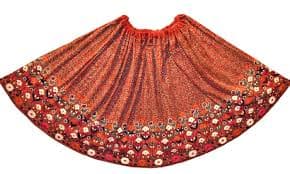
Balochi embroidery is globally recognized for its fine detailed stitching, vibrant mirror work, and bold color contrasts. Traditionally made by women, each embroidered motif tells a cultural story or reflects tribal identity.
- Dense geometric stitches.
- Symbolic motifs such as stars, vines, and tribal patterns.
- Deep reds, greens, and golden accents.
Punjab — Phulkari & Handloom Weaving
Phulkari (meaning "flower work") is Punjab’s iconic embroidery style. Traditionally crafted by women for weddings and festivals, Phulkari features vibrant floral motifs stitched with silk thread on handwoven khaddar fabric.
- Rich oranges, reds, magentas, and yellows.
- Dense embroidery that transforms the entire fabric.
- Passed from mothers to daughters as heirlooms.

Khyber Pakhtunkhwa — Wool, Shawls & Tribal Weaves
In the colder mountainous region, wool weaving is essential. KPK is known for handwoven shawls, intricate borders, and tribal motifs passed down through generations.
- Warm wool from highland sheep.
- Natural dyes inspired by landscapes.
- Simple yet bold weaving patterns.
Gilgit-Baltistan — Handwoven Wool & Organic Dyes
Artisans in the northern Himalayan valleys use organic dyes, natural fibers, and traditional looms to create minimal yet incredibly durable textiles.
- Eco-friendly dyeing from plants and mountain herbs.
- Soft yak wool and sheep wool blends.
- Geometric and culturally meaningful motifs.
Traditional Techniques That Define Pakistani Fabrics
Pakistani textiles are not just products — they are processes. Each craft involves steps perfected over centuries and preserved through community knowledge.
1. Hand Weaving
The use of wooden looms dates back thousands of years, producing rich, textured fabrics like khaddar, jamdani, and muslin.
2. Natural Dyeing
Before chemical dyes, artisans relied entirely on nature:
- Indigo leaves for deep blues
- Madder root for reds
- Henna and turmeric for yellows
- Pomegranate peels for golden browns
3. Block Printing
A slow, detailed process using carved wooden blocks, often passed between generations of artisans.
4. Embroidery Styles
- Kutch & Sindhi Stitching: Mirrors, borders, geometric patterns.
- Balochi Needlework: Extremely fine and dense.
- Phulkari: Silk floral motifs.
- Zardozi: Gold and silver threadwork dating to the Mughal era.